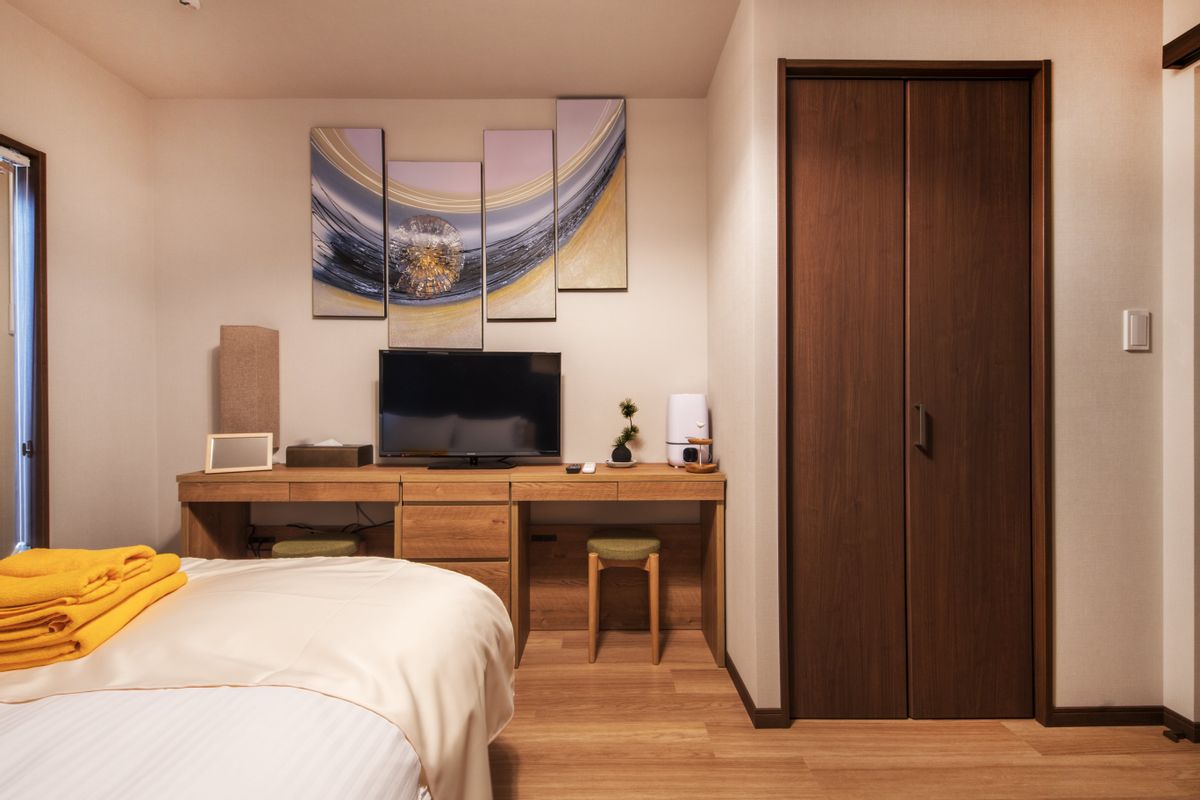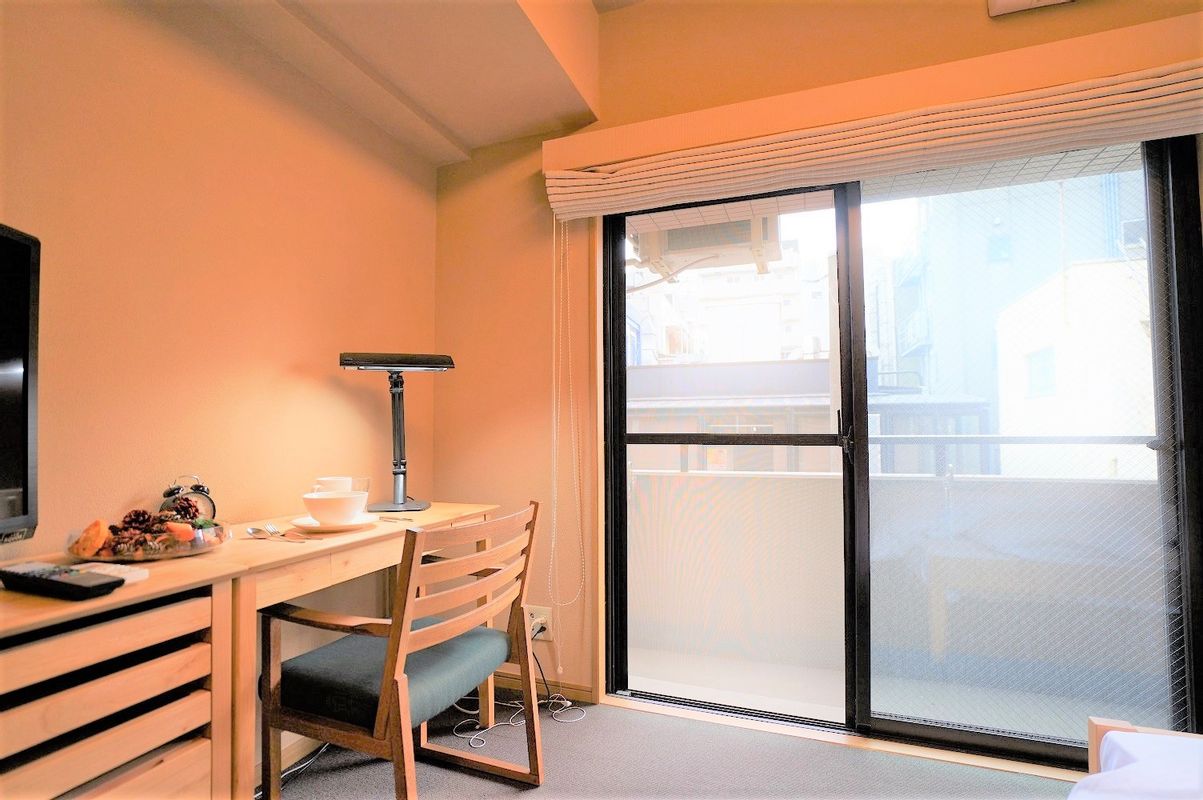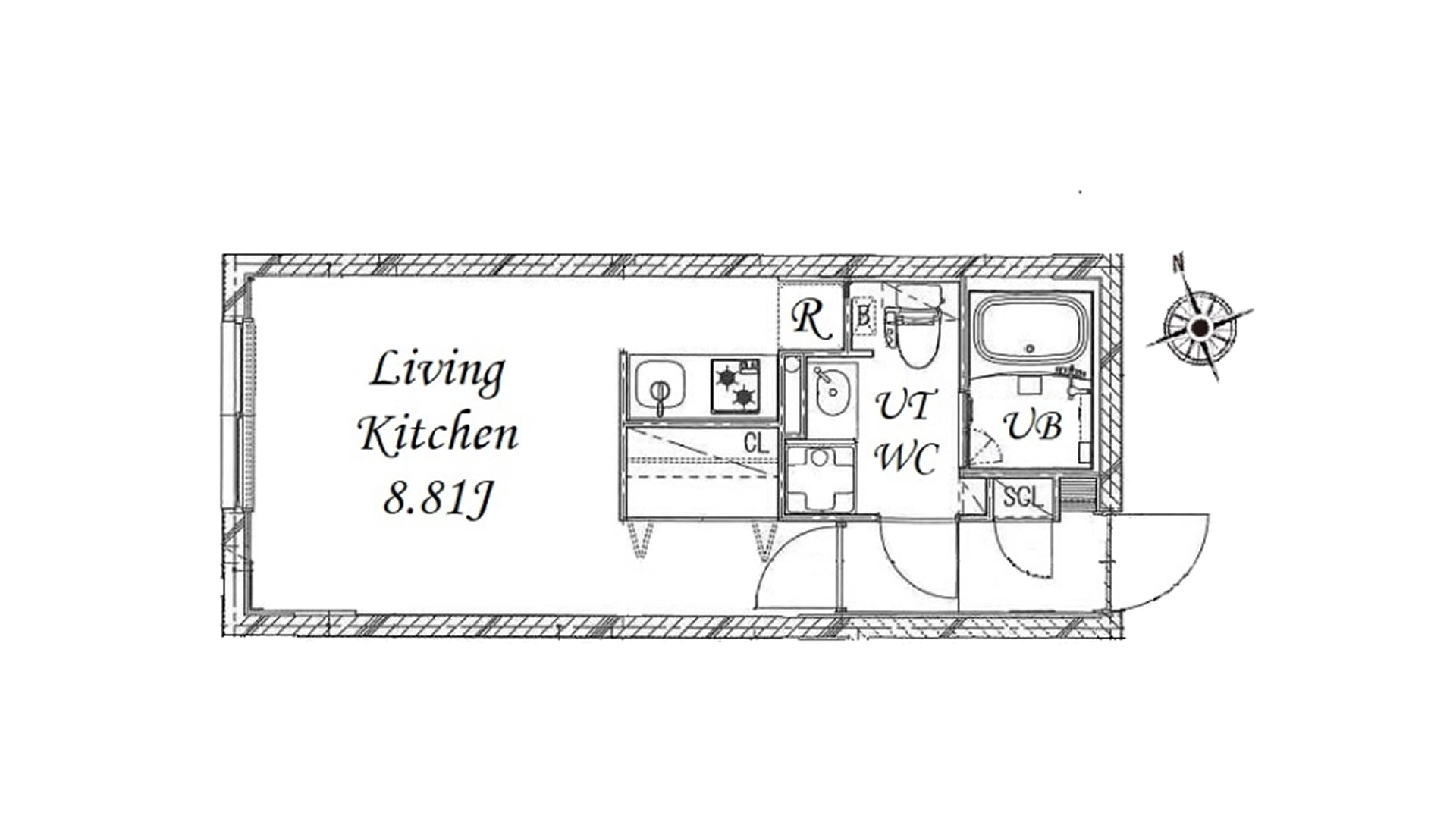
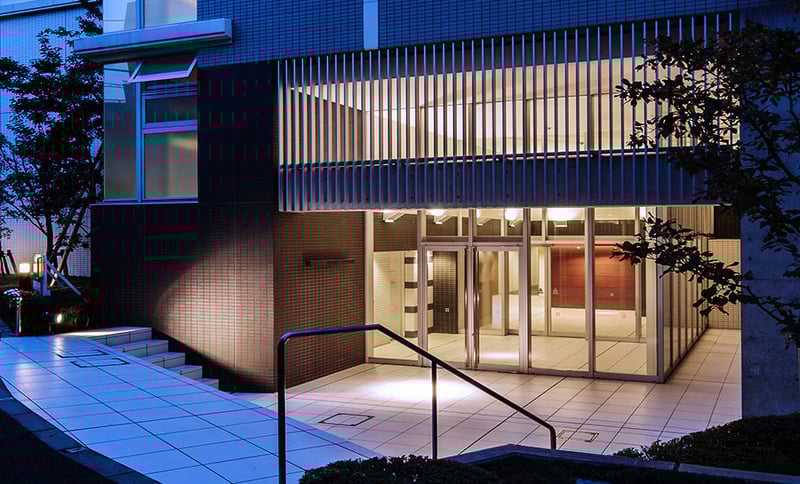
Comfortia Komaba
| traffic | 9-minute walk from Ikejiri-Ohashi Station on the Tokyu Den-en-toshi Line; 12-minute walk from Komaba-Todaimae Station on the Keio Inokashira Line. |
| structure | Reinforced concrete structure, 5 stories above ground, 1 story below ground. |
| Total number of units | 136 units |
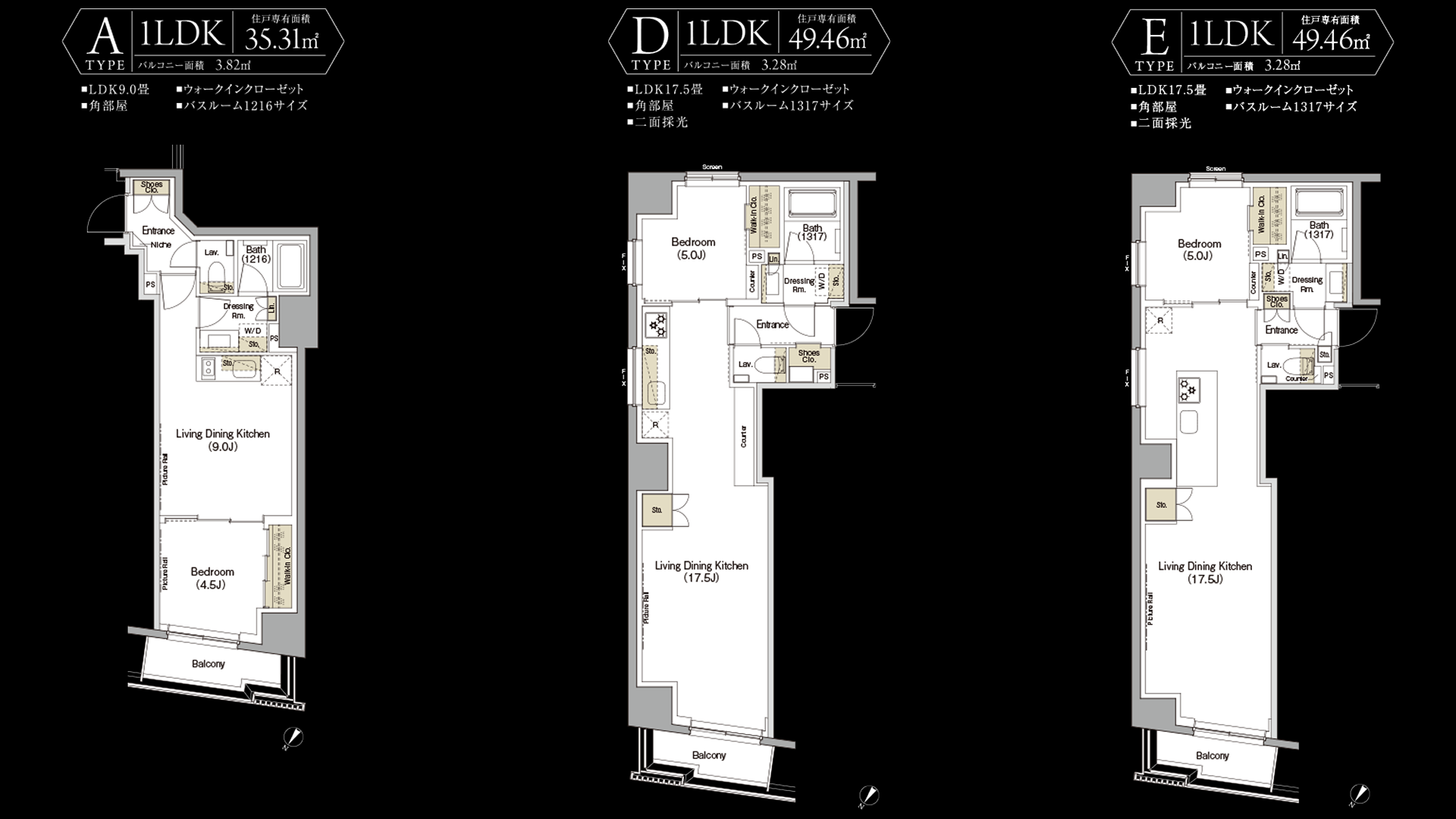
| Floor plan | 1K, 1LDK, 2LDK |
| Exclusive area | 25.74㎡~66.12㎡ |
| Completion date | April 2009 |
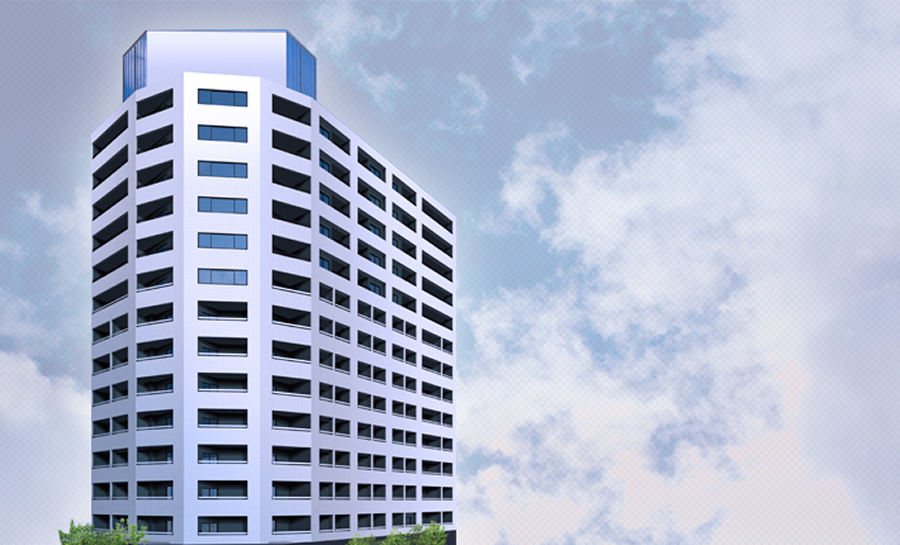
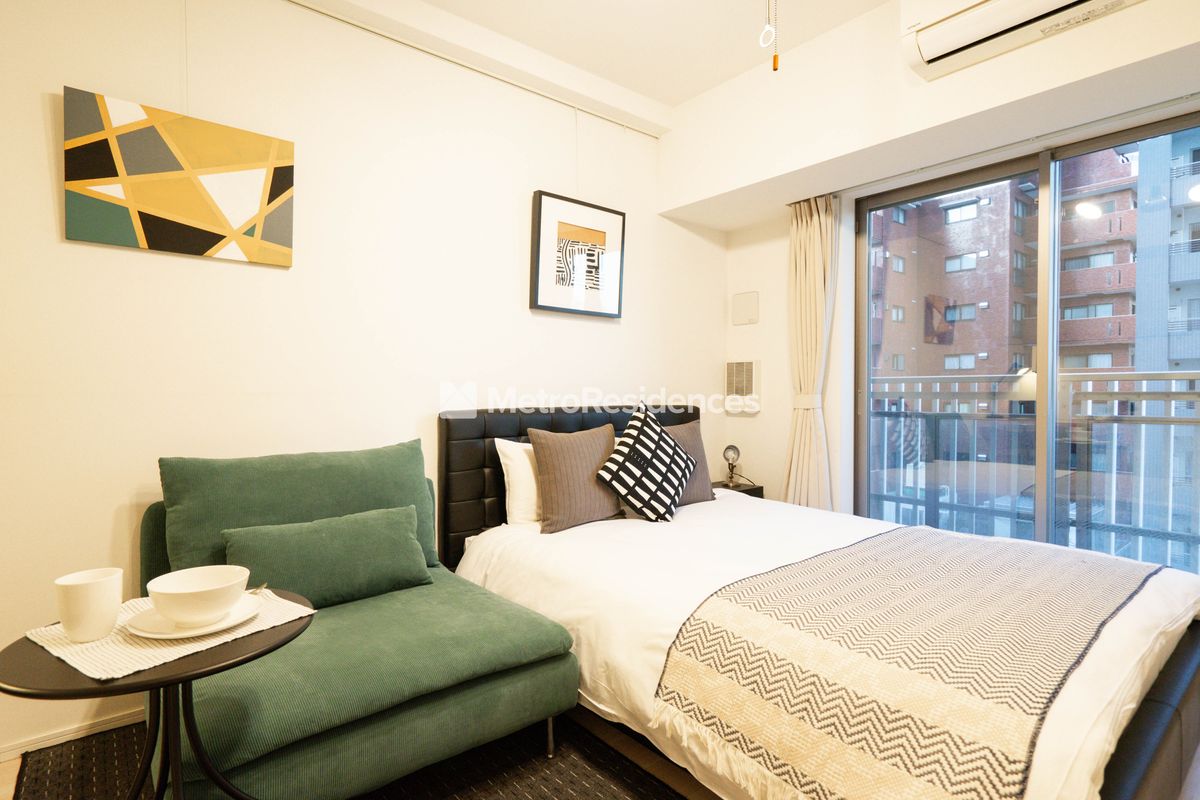
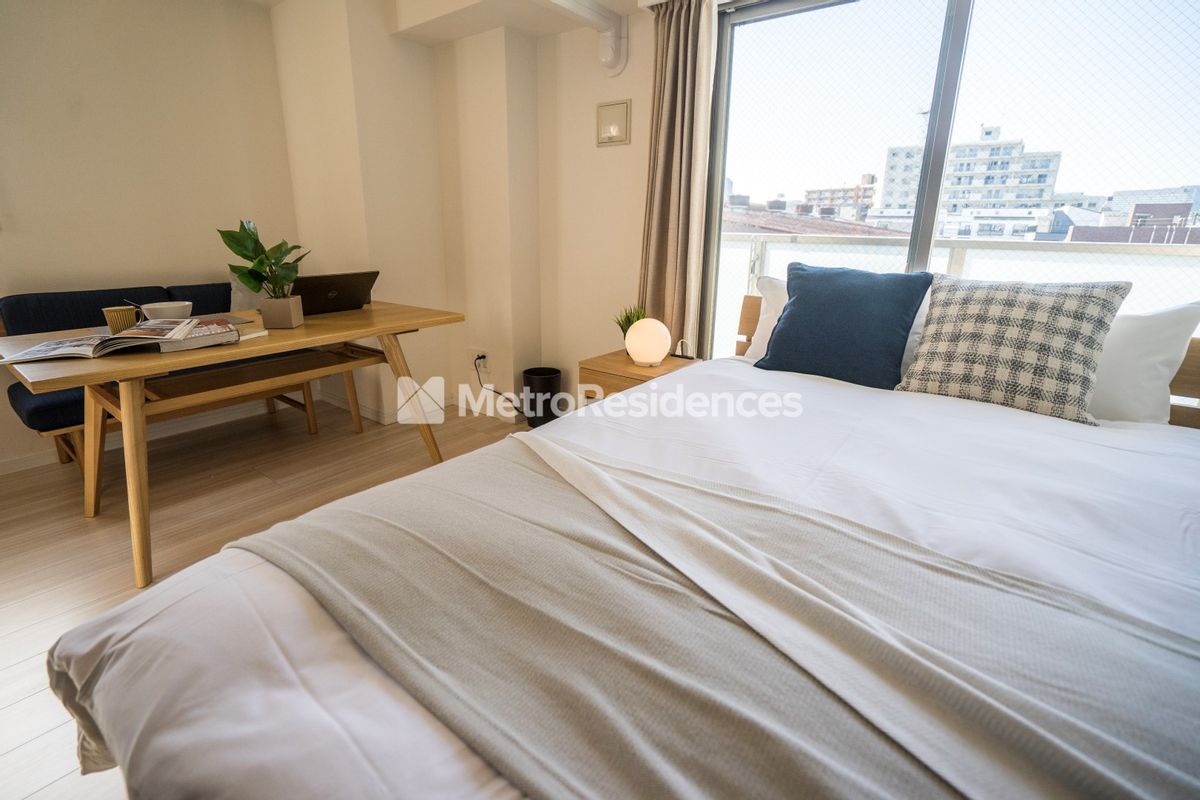
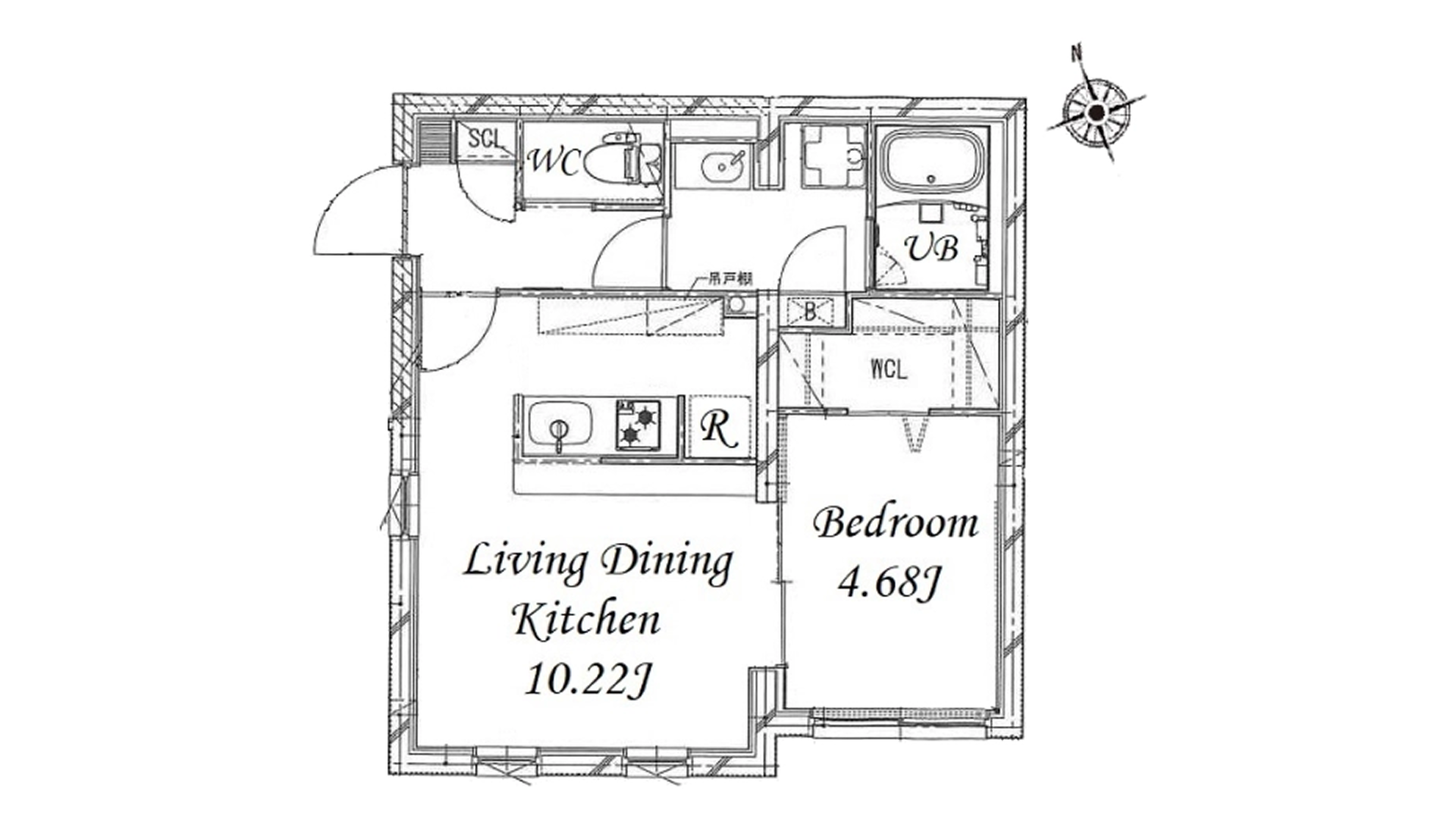
Comfortia Shibuya West
| traffic | 9-minute walk from Shibuya Station on the Keio Inokashira Line; 10-minute walk from Shibuya Station on the Tokyo Metro Hanzomon Line and Tokyu Den-en-toshi Line; 12-minute walk from Shibuya Station on the JR Yamanote Line; 6-minute walk from Shinsen Station on the Keio Inokashira Line. |
| structure | Reinforced concrete structure, 14 stories above ground, 1 story below ground. |
| Total number of units | 123 units |
| Floor plan | 1K to 2LDK |
| Exclusive area | 25.01㎡~56.07㎡ |
| Completion date | October 2015 |
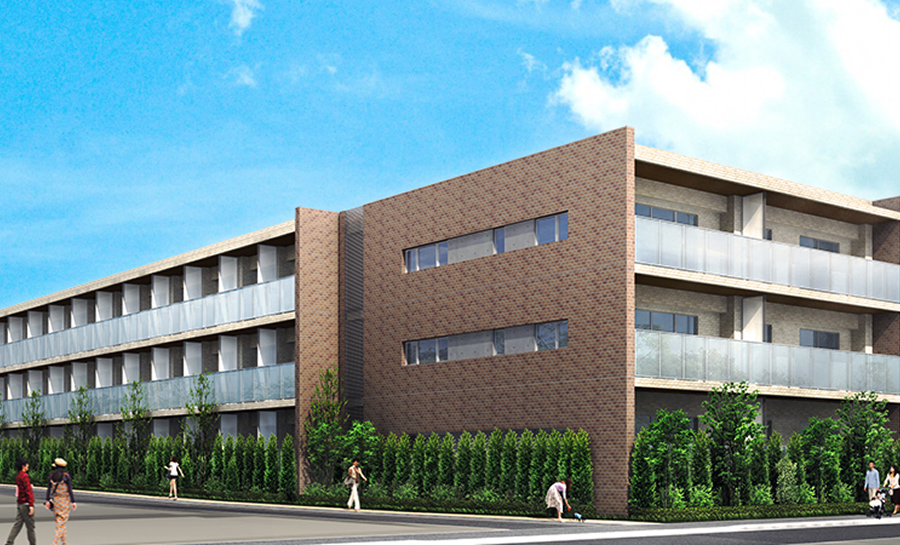
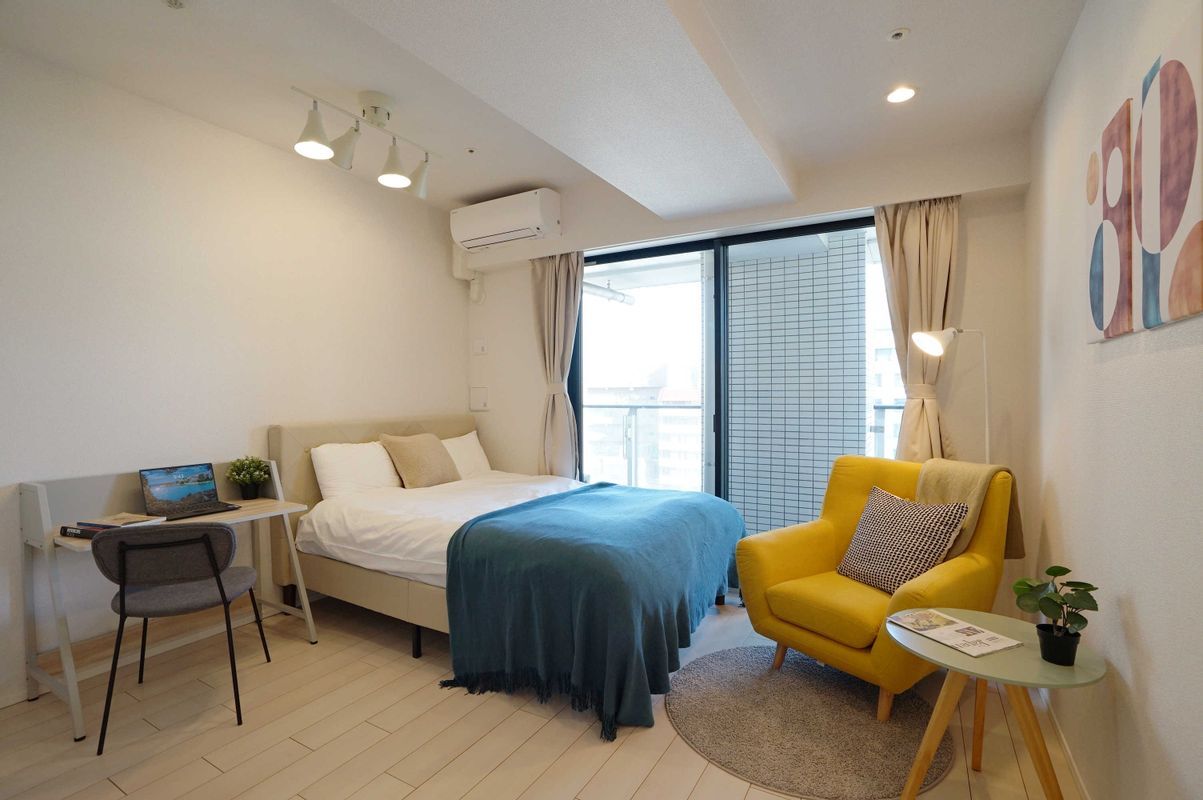
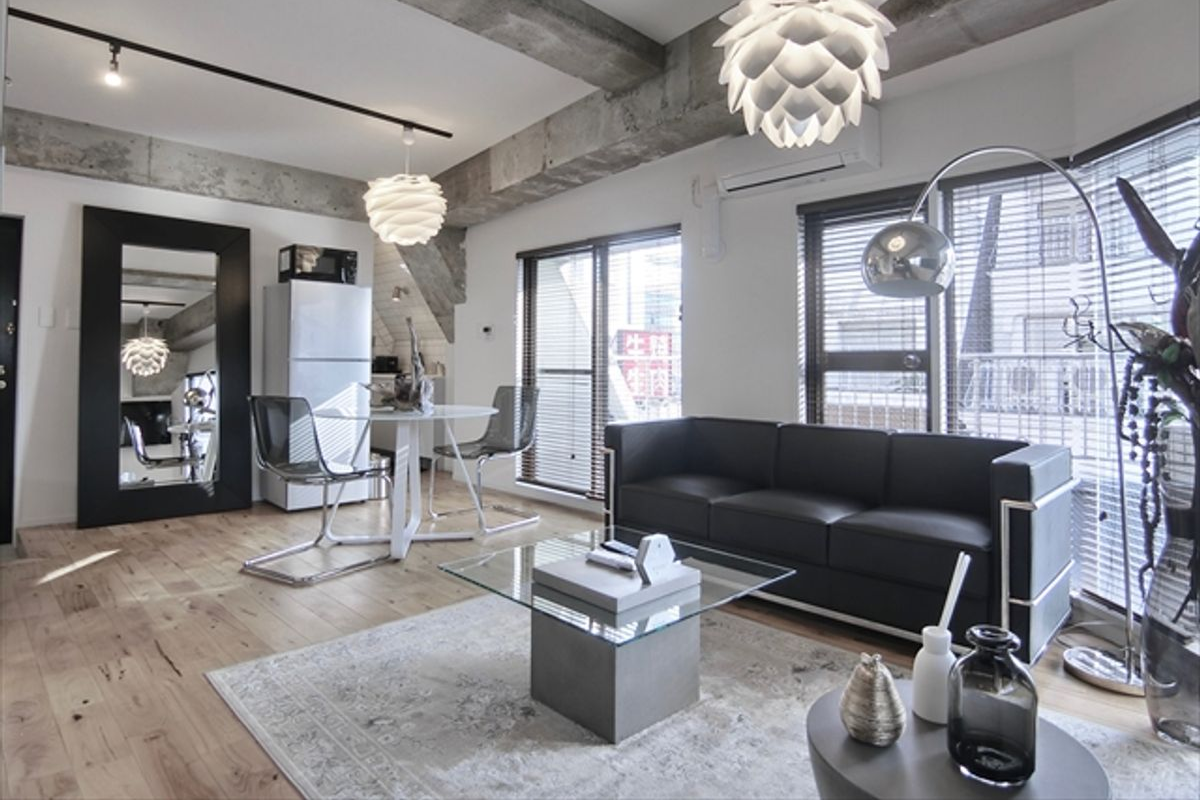
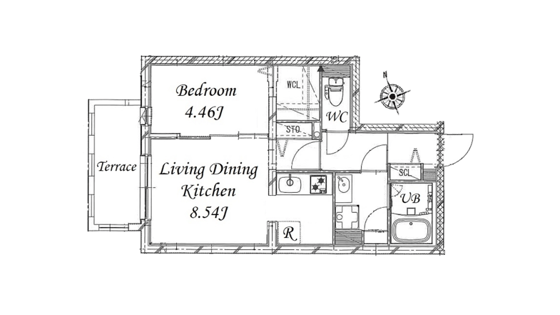
Comforia Meguro Aobadai
| traffic | 8-minute walk from Nakameguro Station on the Tokyu Toyoko Line and Tokyo Metro Hibiya Line. 10-minute walk from Daikanyama Station on the Tokyu Toyoko Line. |
| structure | Reinforced concrete structure, 3 stories above ground, 1 story below ground. |
| Total number of units | 101 units |
| Floor plan | 1K to 3LDK |
| Exclusive area | 30.61㎡~67.31㎡ |
| Completion date | May 2014 |
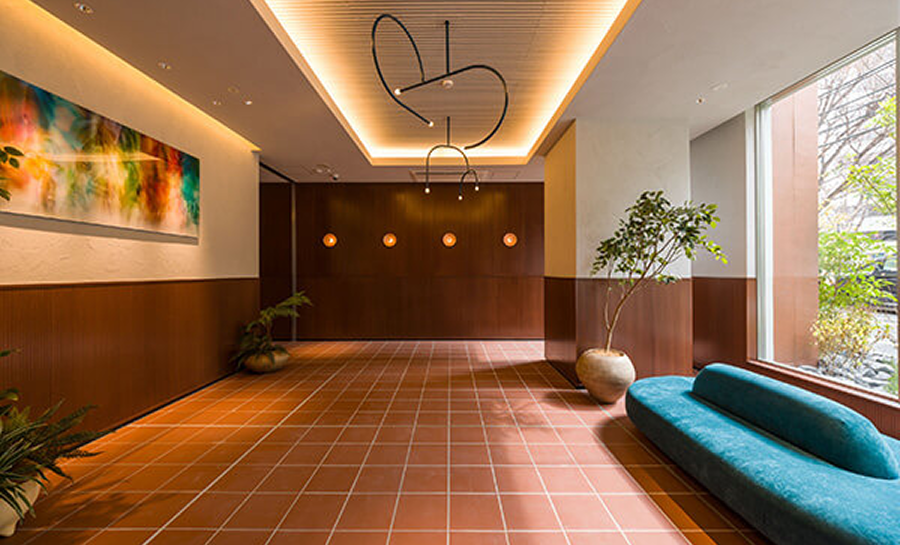
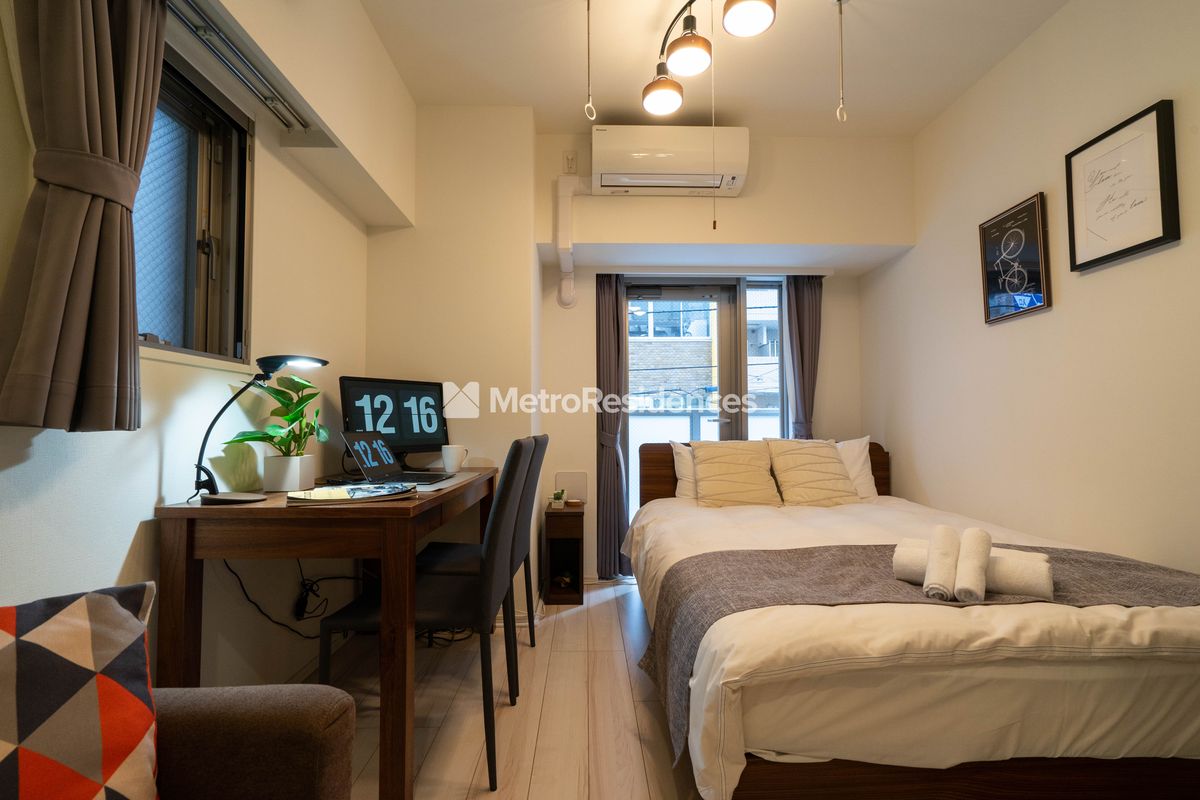
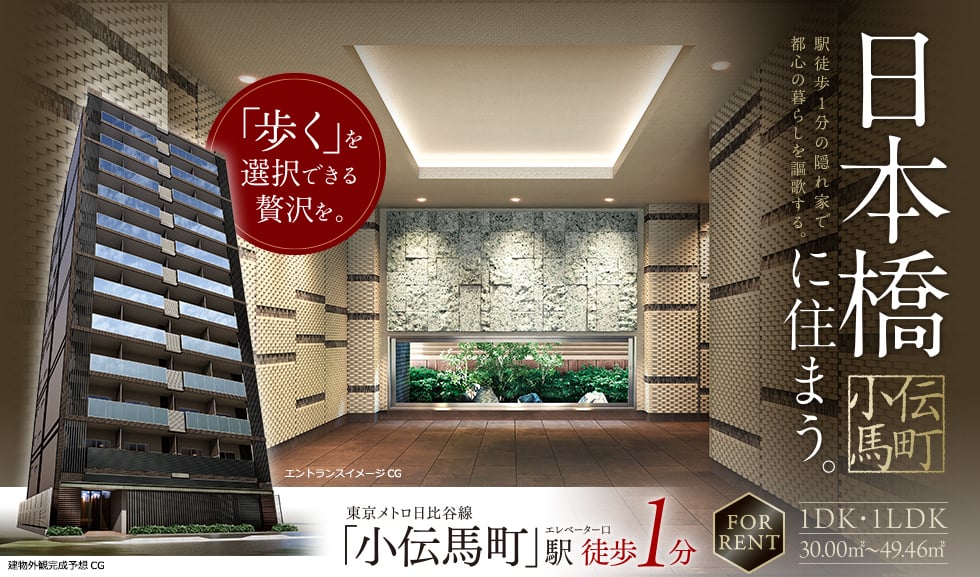
Park Axis Ikebukuro East
| traffic |
7-minute walk from Ikebukuro Station on the Tokyo Metro lines |
| structure | |
| Total number of units | |
| Floor plan | 11LDK, 2LDK, and 3LDK. |
| Exclusive area | |
| Completion date |
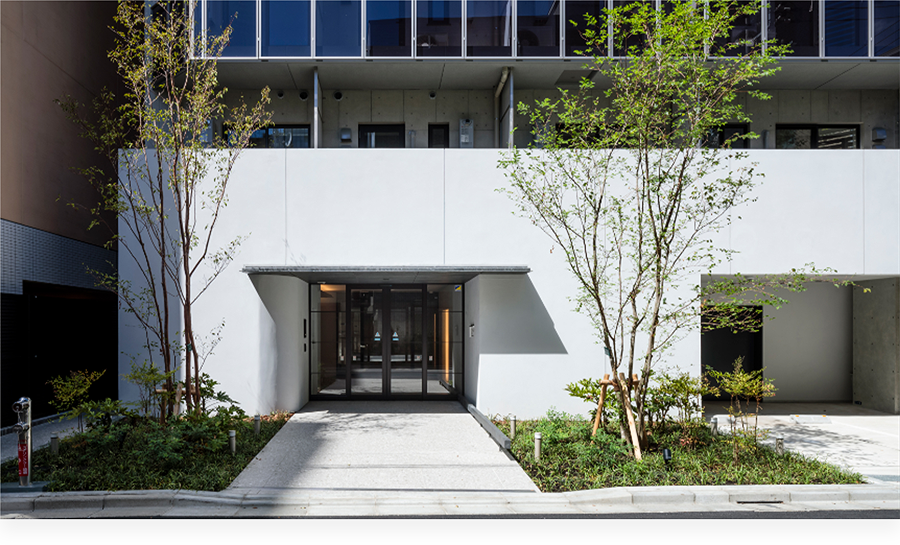
One Roof Residences Shinokachimachi
| traffic |
5-minute walk from Shin-Okachimachi Station on the Toei Oedo Line, |
| structure | Shin-Sanpei Construction Co., Ltd. |
| Total number of units | |
| Floor plan | 1DK, 1LDK, 2LDK |
| Exclusive area | 302.86 m² |
| Completion date |
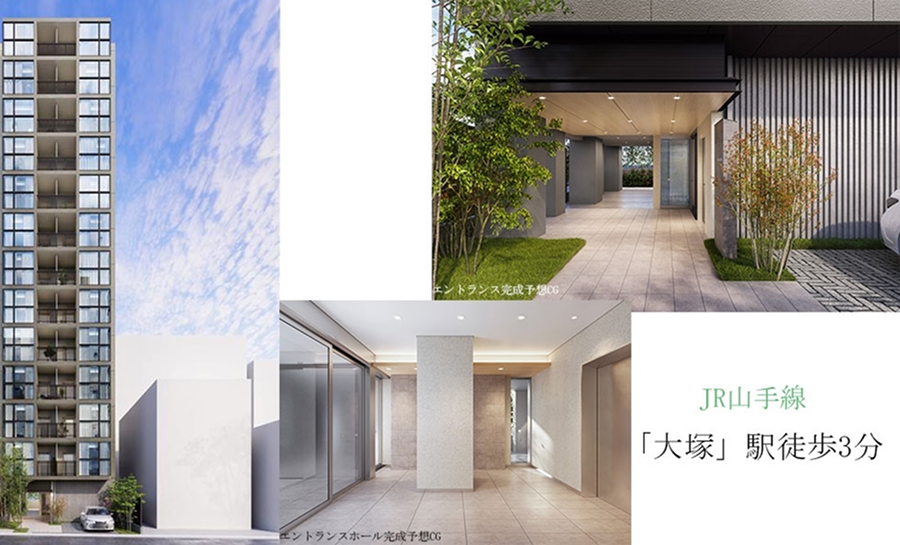
Cosmogracia Otsuka
| traffic | Toei Oedo Line / Shin-Okachimachi Station, 4-minute walk 10-minute walk from Kuramae Station on the Toei Asakusa Line. |
| structure | Reinforced concrete (RC) - 14 stories |
| Total number of units | 20 households |
| Floor plan | 1LDK (29.2㎡~29.26㎡) x 14 units , 2LDK (59.35㎡) x 6 units |
| Exclusive area | |
| Completion date | March 2026 |
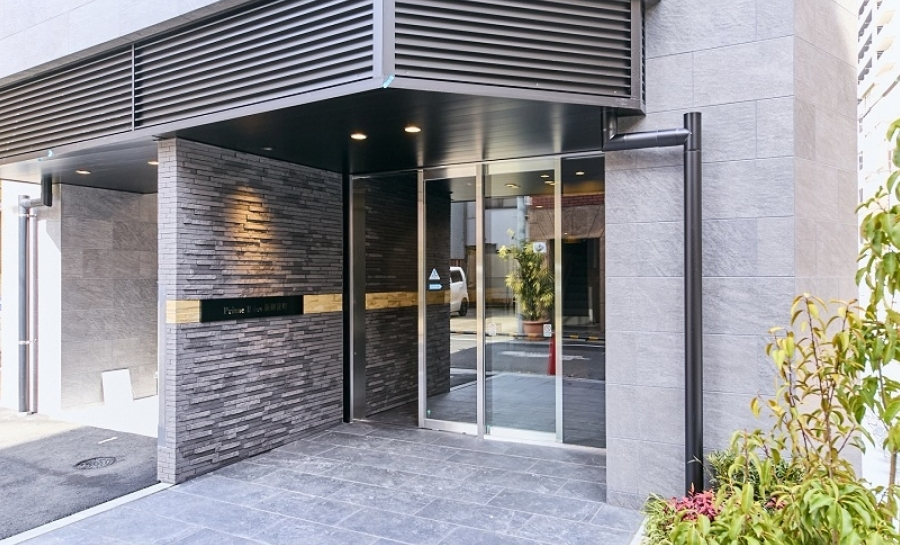
Prime Bliss Shin-Okachimachi
| traffic | 4-minute walk from Shin-Okachimachi Station on the Toei Oedo Line |
| structure | Reinforced concrete (RC) - 14 stories |
| Total number of units | 20 households |
| Floor plan | 1LDK (29.2㎡~29.26㎡) x 14 units , 2LDK (59.35㎡) x 6 units |
| Exclusive area | |
| Completion date | March 2026 |
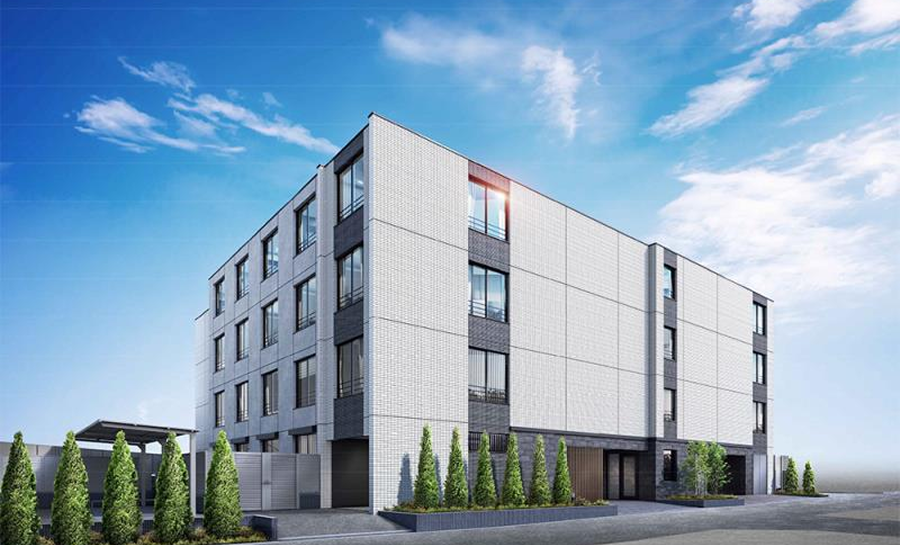
CREATIF Ikebukuro
| traffic | 9-minute walk from Mejiro Station on the JR Yamanote Line |
| structure | Reinforced concrete structure, 4 stories above ground. |
| Total number of units | |
| Floor plan | 1LDK, 2LDK, 3LDK |
| Exclusive area | |
| Completion date | May 15, 2024 |
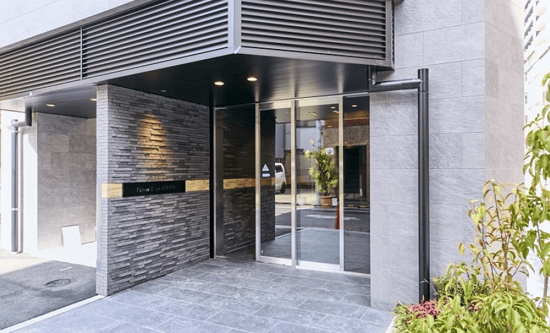
Roygent Komagome Rikugien
| traffic | 2-minute walk from Komagome Station on the Tokyo Metro Namboku Line; 4-minute walk from Komagome Station on the JR Yamanote Line. |
| structure | 15-story reinforced concrete building |
| Total number of units | 240 units (Number of rental units: 40) |
| Floor plan | 1DK: 28.70㎡~32.41㎡ × 39 units; 3LDK: 77.81㎡ × 1 unit |
| Exclusive area | |
| Completion date | February 28, 2025 |

.jpg?width=1200&height=590&name=1200x590_dcc388048fa916537eef61f772546327%20(1).jpg)

Congratulations! You’ve been accepted to study in Tokyo—the world’s most exciting metropolis. But as you start dreaming of Shibuya nights and weekend trips to Mount Fuji, there’s one "final boss" you need to defeat first: The Tokyo Rental Market.
In Japan, renting isn't just about signing a paper and moving in. It’s a unique system with its own vocabulary and cultural rules. You might have heard that finding an apartment is hard for foreigners—but the truth is more nuanced.
The biggest hurdle isn't just being a "foreigner"; it’s being an international student. In the eyes of many traditional Japanese landlords, students are "high-risk" because they often lack a stable Japanese income or a local co-signer. To help you settle in without the stress, we’ve put together the essential things every student needs to understand before they land.
-
The Financials: Upfront Costs
-
The Process: Requirements & Rules
-
Finding the Right Fit
-
Quick Tips for Success
-
Spotlight: Where Tokyo Students Actually Want to Live
-
How MetroResidences Simplifies Your Search
Finding your first "home away from home" in Tokyo is an exhilarating milestone, but the city’s complex rental market can feel like a daunting first assignment. Between decoding floor plans like 1K or 1DK and navigating the traditional hunt for a Japanese guarantor, the process often feels designed for locals only.
That is where MetroResidences comes in. We are dedicated to simplifying the Tokyo housing search for international students by stripping away the typical barriers. At MetroResidences, we don't just give you a list of links; we act as your personal advocate in the Tokyo market.
Why Students Trust Our Team:
• We Know Who Says "Yes": We maintain a curated list of buildings known to welcome international students. We won't waste your time with properties that will just reject your application later.
• Strong Agent Advocacy: Our agents aren't just processing paperwork; they are expert negotiators. We speak to landlords directly to explain your situation, ensuring they see you as a valued tenant, not a "risk."
• Radical Transparency: We provide a clear, line-by-line breakdown of costs in both JPY and USD. No hidden "gift money" or surprise fees. You see what we see.
• Open & Clear Communication: From the first "Hello" to the day you get your keys, we communicate openly in English. We bridge the cultural gap, explaining the "why" behind Japanese rules so you never feel lost.
Here are three of our top-tier recommendations:
In Japan, "Initial Fees" (Shoki Hiyo) are significantly higher than in many other
countries. You should budget for 4 to 6 months of rent upfront. This usually
includes: Deposit (Shikikin): 1–2 months' rent (refundable, minus cleaning fees).
Key Money (Reikin): 1–2 months' rent (a non-refundable "gift" to the
landlord).Agency Fee (Chukai Tesuryo): Usually 1 month's rent + tax.
Guarantor Fee: 50%–100% of one month's rent.
Advance Rent: Your first month’s rent paid at signing.
Fire Insurance & Lock Exchange: Approximately ¥30,000–¥45,000 total.
Yes. Look for "Zero-Zero" (Zero-Zero Bukken) properties which waive both the
deposit and key money. These are becoming more common to attract
international tenants but may have slightly higher monthly rent or stricter
cleaning fees upon move-out.
Want a cheaper place? Look for these "imperfections" that drive the price down:
- The 1st Floor Discount: Ground-floor units are usually 10% cheaper because of privacy and perceived security concerns.
- Older Buildings Apaato: Wooden structures built over 20 years ago are significantly cheaper than modern concrete Mansions.
- Walking Distance: An apartment 15 minutes from the station is much cheaper than one 5 minutes away.
- Unit Bath: Apartments where the toilet and shower are in the same small room are the "budget standard" in Tokyo.
Put some clear and concise content in here. Keep your reader in mind. What are they trying to do? What are they hoping to learn? Why are they reading this? Help them out and use the tone and voice of your organization.
Most landlords require a Guarantor (Hoshonin), who must be a Japanese citizen with a stable income. Since most students don't have one, you will likely use a Guarantor Company (Hosho Gaisha). They charge a fee to act as your co-signer. Your school may also have a program to act as your guarantor—check with your student office first.
- Passport and Residence Card (Zairyu Card).
- Certificate of Enrollment (Zaigaku Shomeisho) or Letter of Acceptance.
- Proof of Income: Bank statements (yours or your sponsor's) or scholarship award letters.
- Emergency Contact: Usually a person in your home country and someone residing in Japan (friend or school staff).
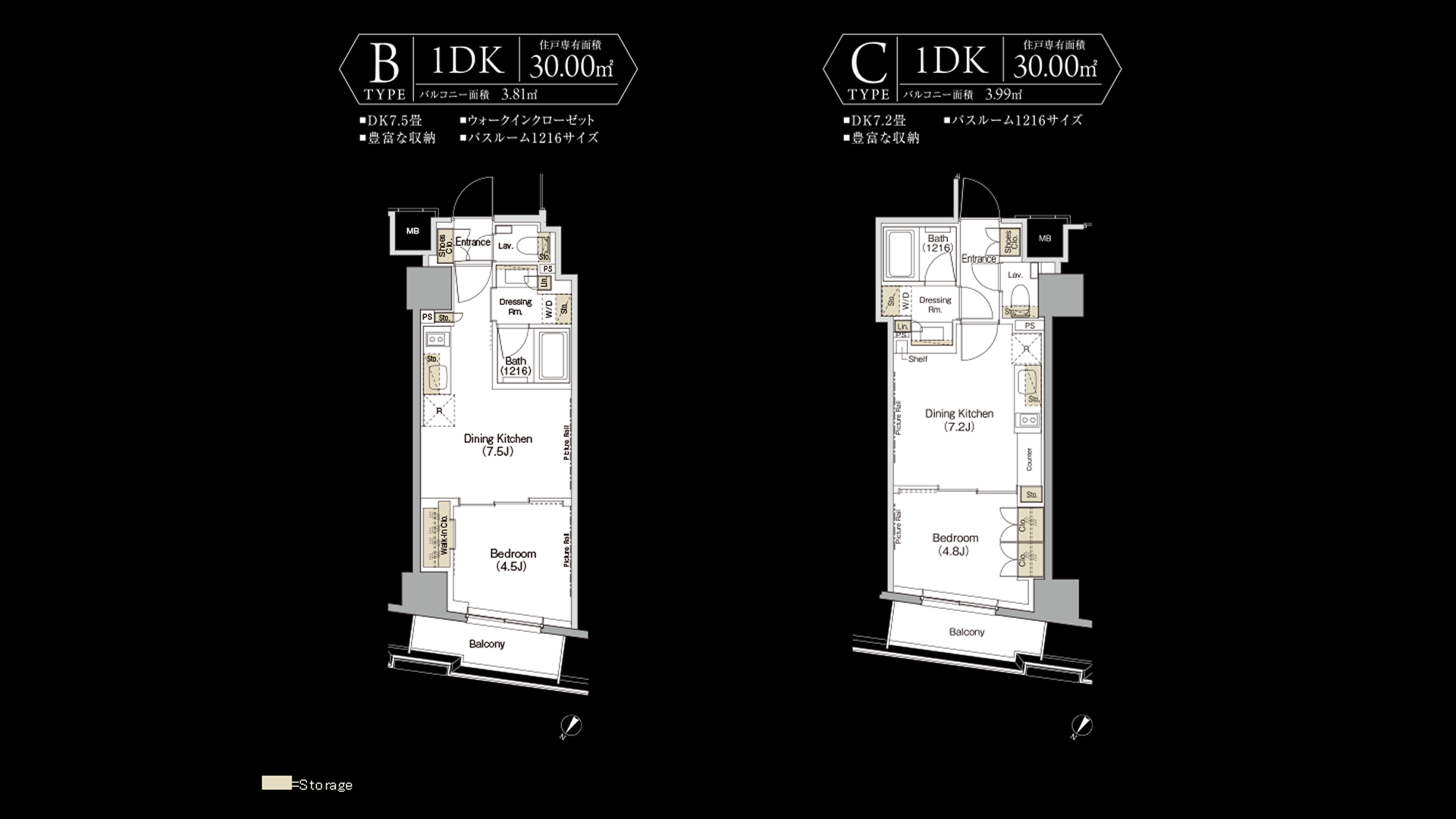
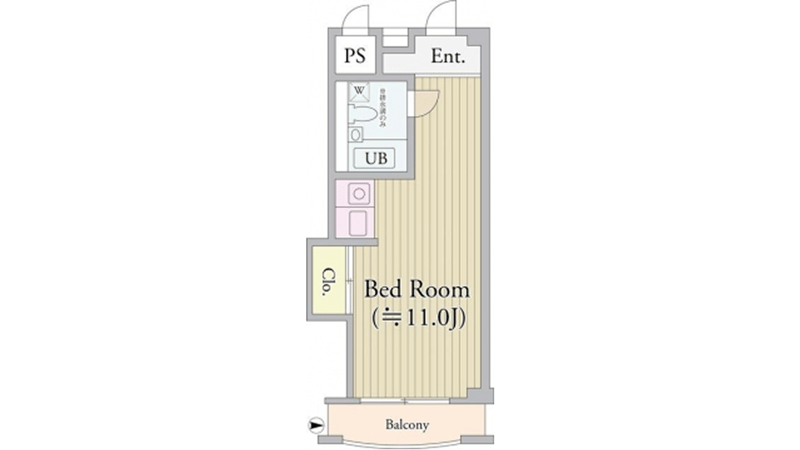
- 1R (One Room): Studio; the kitchen is inside the main room.
- 1K (One Kitchen): The kitchen is separated from the bedroom by a wall/door.
- 1DK (Dining Kitchen): A larger kitchen area that fits a dining table.
- 1LDK (Living Dining Kitchen): A true one-bedroom apartment with a separate living area.
The Japanese rental market moves fast. Most listings only appear 1 month before they are available. If you are moving for the April semester, start your serious search in February or early March.
-
Standard apartments in Japan are completely empty—no fridge, washing machine, or even light fixtures/curtain rails in some cases.
- Student Dorms/Share Houses: These are usually furnished and are the best choice if you are staying for less than two years.
- Monthly Mansions: Fully furnished but much more expensive monthly.
- The "33% Rule": Landlords generally won't approve you if the rent is more than one-third of your monthly income/allowance.
- Avoid "Gaijin-unfriendly" agents: Use agencies that specifically advertise to foreigners (e.g., GaijinPot, Best-Estate, or Sakura House) to avoid being rejected simply because of your nationality.
- Check for Hidden Fees: Always ask about the Renewal Fee (Koshinryo), which is often 1 month's rent paid every 2 years to keep the lease.
Finding a building that says "Yes" to international students is a win, but finding one that you actually love is the goal. At MetroResidences, we’ve built strong relationships with specific building series known for their high quality and student-friendly policies.
Here are three of our top-tier recommendations:
If you want to feel like a true Tokyo professional while you study, this is it. Proud Flat buildings are famous for their "Mansion" (concrete) construction, meaning they are incredibly quiet and secure.
- The Vibe: Sleek, minimalist, and expensive-looking (without the extreme price tag).
- Best For: Students who prioritize a quiet study environment and a high-end aesthetic.
- Popular Spots: Shinjuku, Togoshi-koen, and Kamata.
-
Living in a Comforia building feels like living in a boutique hotel. These are "Designer Apartments" that feature high ceilings, stylish lighting, and premium materials.
- The Vibe: Trendy and modern. These buildings are often located in the heart of Tokyo’s most vibrant neighborhoods.
- Best For: Students who want to be minutes away from the best cafes, fashion boutiques, and nightlife.
- Popular Spots: Higashi-Shinjuku, Kitazawa (Shimokitazawa), and Nakano.
-
For the student who is always on the go, Arkmark buildings are strategically placed near major train hubs. They are built for efficiency and comfort, often featuring advanced security systems like auto-locks and delivery lockers.
- The Vibe: Practical, safe, and incredibly convenient.
- Best For: Students who have a long commute to campus or want easy access to the Yamanote Line for weekend exploring.
- Popular Spots: Near major stations in areas like Shinagawa and Taito-ku.